
A well-equipped university sports facility supports student fitness, athletic development, strength conditioning, and overall sports performance. From general fitness training to competitive sports preparation, the right strength training equipment helps universities create a functional training environment for students, athletes, coaches, and sports teams.
However, selecting equipment for a university gym requires careful planning. Universities often serve users with different fitness levels, sports backgrounds, training goals, and experience. Equipment must be suitable for regular use, fit the available space, meet the facility’s training objectives, and remain practical to maintain over time.
Whether you are developing a new campus gym, upgrading an existing fitness center, or planning a dedicated sports performance facility, this guide explains how to select strength training equipment for a university sports facility.
1. Identify the Training Requirements of the University
Before selecting gym equipment, understand how the facility will be used and which groups it needs to serve.
A university gym may support recreational fitness, physical education, varsity sports, competitive athletics, and specialised strength and conditioning programmes.
Consider the following questions:
- Will the gym primarily serve general students, competitive athletes, or both?
- Which sports teams will use the facility?
- How many users are expected during peak hours?
- Will training sessions be supervised by coaches?
- Is the facility intended for general fitness, sports performance, or rehabilitation support?
- What is the available floor area and project budget?
For example, a university supporting football, basketball, athletics, and combat sports may require a broader selection of free weights, racks, benches, and functional training equipment than a small campus fitness room.
Clearly defining these requirements helps determine the appropriate equipment categories, quantities, and layout.
2. Assess the Available Space and Gym Layout
Space planning is essential when designing a university strength training facility. The layout should accommodate the expected number of users while allowing safe movement between training stations.
Begin by measuring the usable floor area, ceiling height, entry points, columns, and existing building services.
Divide the facility into practical training zones, such as:
- Free weight training
- Squat racks and power racks
- Bench press stations
- Resistance training machines
- Functional training
- Warm-up and mobility
- Weight storage and accessory organisation
Ensure that equipment placement allows users to access weights, perform exercises, and move between stations without obstructing other activities.
University facilities may experience heavy usage before classes, during breaks, and after academic hours. A layout that supports efficient movement can help reduce congestion during these periods.
For new projects, architects and interior designers should coordinate the equipment layout with electrical provisions, ventilation, flooring, structural requirements, and emergency access routes before procurement.
3. Choose the Right Strength Training Equipment
The equipment mix should reflect the university’s sports programmes, student population, available space, and training objectives.
Free Weights and Dumbbells
Dumbbells are versatile tools for general strength development, unilateral exercises, accessory training, and conditioning.
A university gym may require a suitable range of dumbbell weights to accommodate beginners, experienced lifters, and student athletes.
Consider:
- Appropriate weight increments
- Durable construction and finish
- Comfortable, secure grips
- Suitable dumbbell racks
- Storage capacity and accessibility
Workout Benches
Flat, adjustable, and specialised workout benches support exercises such as bench presses, dumbbell presses, rows, and other strength movements.
When selecting benches, review stability, adjustability, upholstery quality, dimensions, and suitability for the intended exercises.
Squat Racks and Power Racks
Squat racks and power racks support compound strength exercises, including squats, presses, and other barbell movements.
For university sports facilities, evaluate:
- Frame construction and stability
- Rack dimensions and available configurations
- Barbell support and adjustment options
- Safety arms or other appropriate safety systems
- Attachment compatibility
- Anchorage requirements, where applicable
Where multiple athletes train simultaneously, the number and arrangement of rack stations should reflect the training programme and available floor space.
Barbells and Weight Plates
Barbells and weight plates are fundamental components of many strength and conditioning programmes.
Choose suitable equipment based on the intended exercises, user experience, loading requirements, storage provisions, and maintenance needs.
Weight plate storage should be organised to keep training areas accessible and reduce clutter.
Resistance Training Machines
Selectorised and plate-loaded machines can provide structured exercise options for students with different levels of strength training experience.
Depending on the programme, useful equipment may include chest press machines, lat pulldown stations, seated row machines, leg extension machines, leg curl machines, and other resistance training systems.
The final selection should avoid unnecessary duplication while providing suitable exercise options for the intended users.
4. Include Functional Training Equipment
A university sports facility can benefit from a dedicated functional training area that supports movement quality, strength conditioning, coordination, and sport-specific preparation.
Depending on the available space and training objectives, consider:
- CrossFit rigs and pull-up stations
- Rig attachments
- Kettlebells
- Medicine balls
- Resistance bands
- Suspension training systems
- Plyometric boxes
- Functional trainers
- Training mats and mobility accessories
CrossFit rigs can support pull-ups, suspended exercises, and other bodyweight or functional training movements, depending on their configuration and approved attachments.
For universities with multiple sports teams, a flexible functional training area can support varied training sessions without requiring a separate room for every activity.
Equipment selection should be guided by the coaching programme, available space, and appropriate supervision.
5. Consider the University’s Sports Programmes
The most effective strength training equipment selection reflects the sports and activities supported by the institution.
Football and Field Sports
Football and other field sports programmes may benefit from racks, barbells, dumbbells, workout benches, resistance machines, and functional training equipment.
The equipment mix should support the strength and conditioning programme developed by the university’s qualified coaching staff.
Basketball and Indoor Sports
Basketball and indoor sports athletes may use free weights, resistance machines, functional training systems, and conditioning equipment as part of their broader training programmes.
Allow sufficient space for movement-based exercises and warm-up activities.
Athletics and Track and Field
Athletics programmes may require a versatile strength training area that supports general strength development, power training, and sport-specific conditioning.
Equipment selection should align with the disciplines offered and the requirements established by the coaching team.
Combat Sports and Martial Arts
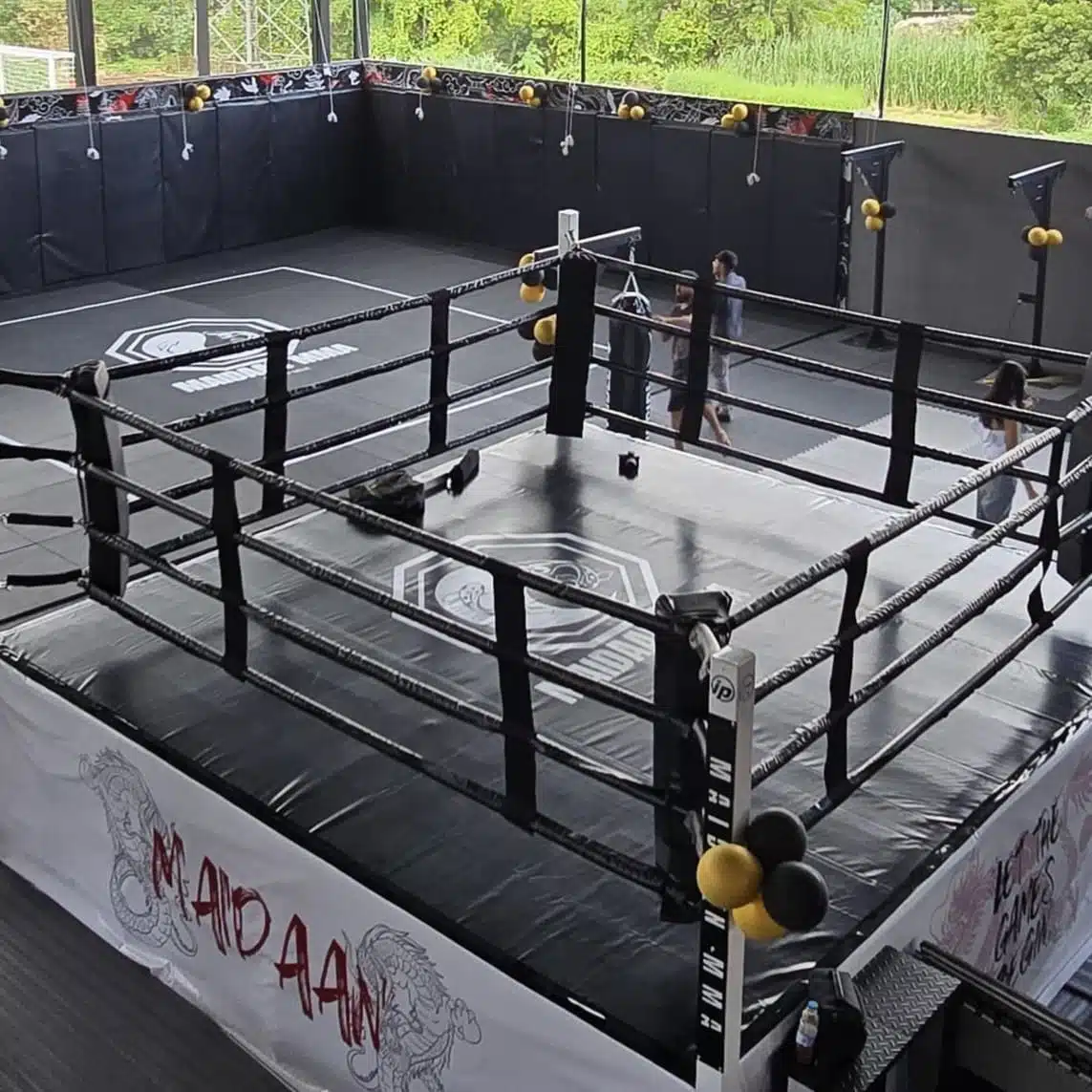
Universities with boxing, wrestling, MMA, or martial arts programmes may require specialised training infrastructure in addition to conventional strength equipment.
Depending on the programme, this may include combat sports flooring, boxing rings, MMA cages, and suitable strength and conditioning equipment.
Specialised facilities should be planned with attention to training requirements, safety, supervision, and applicable sporting standards.
6. Prioritise Durability and Commercial-Grade Construction
University gyms may serve large numbers of students every day. Equipment should therefore be selected according to its intended usage, construction quality, and maintenance requirements.
When comparing strength training equipment, evaluate:
- Frame materials and construction
- Equipment stability
- Load ratings and intended use
- Surface finish and corrosion resistance
- Upholstery and adjustment mechanisms
- Moving components and serviceability
- Availability of spare parts
- Warranty coverage
- Manufacturer or supplier support
For racks, benches, weight storage systems, and other load-bearing equipment, verify that the specifications match the intended exercises and loading conditions.
Commercial suitability should be established through product specifications and supplier documentation rather than appearance alone.
Choosing equipment that fits the university’s operational needs can help support consistent usage and simplify long-term facility management.
7. Plan Flooring and Structural Requirements
Strength training areas require appropriate flooring and technical planning, particularly where free weights, heavy racks, or lifting platforms are involved.
Gym Flooring
Rubber gym flooring is commonly considered for strength training areas because it can help protect the underlying floor and manage impact.
The appropriate material and thickness depend on the type of training, equipment loads, building conditions, and expected impact.
Deadlift platforms or other dedicated lifting surfaces may be appropriate for facilities that include heavy barbell training.
Structural Assessment
Heavy equipment and loaded weight racks can create concentrated loads. Dropped weights and dynamic movements may introduce additional forces.
Before installation, qualified structural professionals should assess the suitability of the floor and supporting structure using the proposed equipment specifications and intended usage.
For wall-mounted rigs and fixed equipment, verify that the supporting structure, anchors, and fixing method are suitable for the installation.
Clearance and Safety
Maintain appropriate clearances around racks, benches, machines, and lifting platforms. Ensure that emergency exits and access routes remain unobstructed.
The university’s project team should review applicable building, accessibility, fire safety, and equipment installation requirements before the facility opens.
8. Select Equipment That Fits the University Budget
Universities often need to balance equipment quality, training requirements, available space, and procurement budgets.
Rather than purchasing the largest possible equipment range immediately, prioritise equipment that supports the institution’s main objectives.
A practical procurement strategy can separate equipment into three categories:
Essential equipment: Racks, benches, dumbbells, barbells, weight plates, storage systems, and other equipment needed for the core training programme.
Additional equipment: Resistance machines, functional trainers, specialised attachments, and supplementary strength training stations.
Specialised equipment: Sport-specific training infrastructure, dedicated lifting platforms, combat sports equipment, or customised training systems.
Request itemised quotations from suppliers and compare product specifications, quantities, delivery costs, installation, warranty coverage, and after-sales support.
The lowest initial quotation may not provide the best overall value if it excludes important accessories, installation services, or ongoing support.
Universities should also consider maintenance and replacement costs when evaluating the total cost of ownership.
9. Evaluate Gym Equipment Manufacturers and Suppliers
The equipment supplier plays an important role in helping the project team align product selection with the available space, training objectives, and installation requirements.
When evaluating potential suppliers, consider:
- Experience with commercial fitness facilities
- Range of strength training equipment
- Customisation capabilities
- Technical specifications and drawings
- Delivery and installation capabilities
- Warranty and maintenance arrangements
- Spare parts availability
- Ability to coordinate with architects and project consultants
For projects involving CrossFit rigs, power racks, deadlift platforms, or customised training structures, early technical coordination is especially important.
Sharing the floor plan and training requirements before procurement can help the supplier recommend appropriate equipment configurations and identify potential installation issues.
The final selection should be based on documented requirements, verified product specifications, commercial terms, and the supplier’s ability to meet the project scope.
10. Establish a Maintenance and Inspection Plan
A university gym requires ongoing maintenance to remain safe and functional.
Establish a maintenance schedule before the facility opens and assign responsibility for routine checks, cleaning, repairs, and equipment reporting.
A practical maintenance programme should include:
- Regular visual inspections
- Checks for loose fasteners and visible damage
- Inspection of cables, pulleys, and moving components
- Review of bench upholstery and adjustment mechanisms
- Checks of rack hardware and safety attachments
- Cleaning and surface care
- Maintenance and repair records
- Procedures for removing damaged equipment from use
Follow the manufacturer’s maintenance instructions and inspection recommendations. Equipment that appears damaged or unsafe should be taken out of service until it has been assessed and repaired as appropriate.
Clear operating instructions and appropriate supervision are particularly important when the facility is used by students with different levels of training experience.
11. Follow a Structured Procurement Process
A structured procurement process helps universities coordinate equipment selection, approvals, installation, and handover.
Step 1: Define requirements. Identify the user groups, sports programmes, training objectives, available space, and budget.
Step 2: Conduct a site assessment. Confirm dimensions, access routes, ceiling height, flooring, and structural considerations.
Step 3: Prepare the equipment schedule. Document equipment categories, quantities, specifications, and required accessories.
Step 4: Develop the layout. Position equipment and review circulation, clearances, storage, and safety requirements.
Step 5: Request supplier quotations. Compare equivalent specifications, delivery timelines, installation scope, warranties, and service arrangements.
Step 6: Obtain technical approval. Coordinate with the architect, structural engineer, facility manager, and relevant project consultants.
Step 7: Confirm procurement and delivery. Finalise the purchase order, production or sourcing schedule, site readiness, and installation plan.
Step 8: Inspect and hand over. Verify installation, check equipment against the approved schedule, collect documentation, and establish maintenance procedures.
Following these steps can help reduce avoidable delays and improve coordination between the university and its equipment suppliers.
Common Mistakes to Avoid When Selecting University Gym Equipment
Several mistakes can affect the usability, safety, and long-term value of a university sports facility.
Selecting equipment without assessing the training programme: Equipment should reflect the sports and activities supported by the university.
Ignoring peak-hour demand: Too few stations can create congestion when multiple students train simultaneously.
Overcrowding the facility: Equipment quantities should be balanced against available floor area and safe operating clearances.
Choosing products based only on price: Construction quality, suitability, warranty, maintenance, and support also matter.
Overlooking structural requirements: Heavy racks, lifting platforms, and fixed equipment may require professional assessment before installation.
Neglecting storage: Unorganised weights and accessories can reduce usable space and create avoidable hazards.
Failing to plan maintenance: Inspections, servicing, and repairs should be incorporated into facility operations from the beginning.
Conclusion
Selecting strength training equipment for a university sports facility requires careful consideration of the institution’s sports programmes, student population, available space, project budget, and long-term operational needs.
The right equipment mix combines free weights, racks, benches, resistance machines, functional training systems, and suitable storage according to the facility’s objectives.
By coordinating equipment specifications with the architectural layout, reviewing structural requirements, comparing suppliers carefully, and establishing a maintenance plan, universities can develop functional strength training environments that support students and athletes over the long term.
Plan Your University Sports Facility with Interius Performance
Interius Performance provides commercial gym equipment and customised fitness solutions for educational institutions, sports academies, gyms, and training facilities across India.
Our product range includes CrossFit rigs and attachments, strength training equipment, workout benches, deadlift platforms, gym storage solutions, and customised training infrastructure.
Whether your university is developing a new campus gym or upgrading an existing sports facility, selecting equipment according to your training requirements and available space is an important step in project planning.
Explore our equipment range at https://interiusperformance.com and discuss your university fitness project requirements with Interius Performance.
Interius Performance | Engineered for Performance. Built for Strength.