
Procuring gym equipment for a commercial fitness facility involves more than comparing product prices and selecting machines. Architects, interior designers, project consultants, builders, and procurement teams must coordinate equipment specifications, floor plans, structural requirements, electrical provisions, delivery schedules, and installation requirements to ensure the project runs smoothly.
Whether the project involves a hotel gym, residential society fitness center, corporate gym, premium fitness club, resort, or institutional training facility, a structured gym equipment procurement checklist can help reduce coordination gaps, avoid unnecessary costs, and improve project delivery.
This guide covers the essential points professionals should evaluate before finalising commercial gym equipment procurement in India.
1. Define the Project Scope and Fitness Requirements
Before requesting quotations, establish the purpose of the facility and the scope of equipment procurement.
Different projects require different equipment combinations. A hotel gym may prioritise cardio and general strength training, while a premium fitness club may need a wider selection of resistance machines, free weights, functional training systems, and specialised equipment.
Start by confirming:
- Type of facility and intended users
- Total available gym area
- Expected number of users during peak hours
- Target fitness activities and training requirements
- Equipment categories and estimated quantities
- Project budget and procurement timeline
- Installation and handover requirements
- Scope of supply, including accessories and storage
A clearly defined scope helps architects and project consultants prepare accurate equipment schedules and compare supplier quotations on a consistent basis.
2. Prepare a Detailed Gym Equipment Schedule
An equipment schedule is an essential procurement document. It identifies the equipment required for the project and helps coordinate specifications, quantities, placement, and commercial terms.
Depending on the facility, the schedule may include the following categories.
Cardio Equipment
- Commercial treadmills
- Exercise bikes
- Elliptical trainers
- Other cardiovascular training machines
Strength Training Equipment
- Multi-station strength machines
- Plate-loaded equipment
- Dumbbells and weight plates
- Adjustable and flat workout benches
- Squat racks and power racks
- Weight storage racks
Functional Training Equipment
- CrossFit rigs
- Wall-mounted and freestanding rigs
- Rig attachments
- Pull-up stations
- Kettlebells and medicine balls
- Functional trainers and accessories
Specialised Training Equipment
- Deadlift platforms
- Powerlifting equipment
- Boxing rings
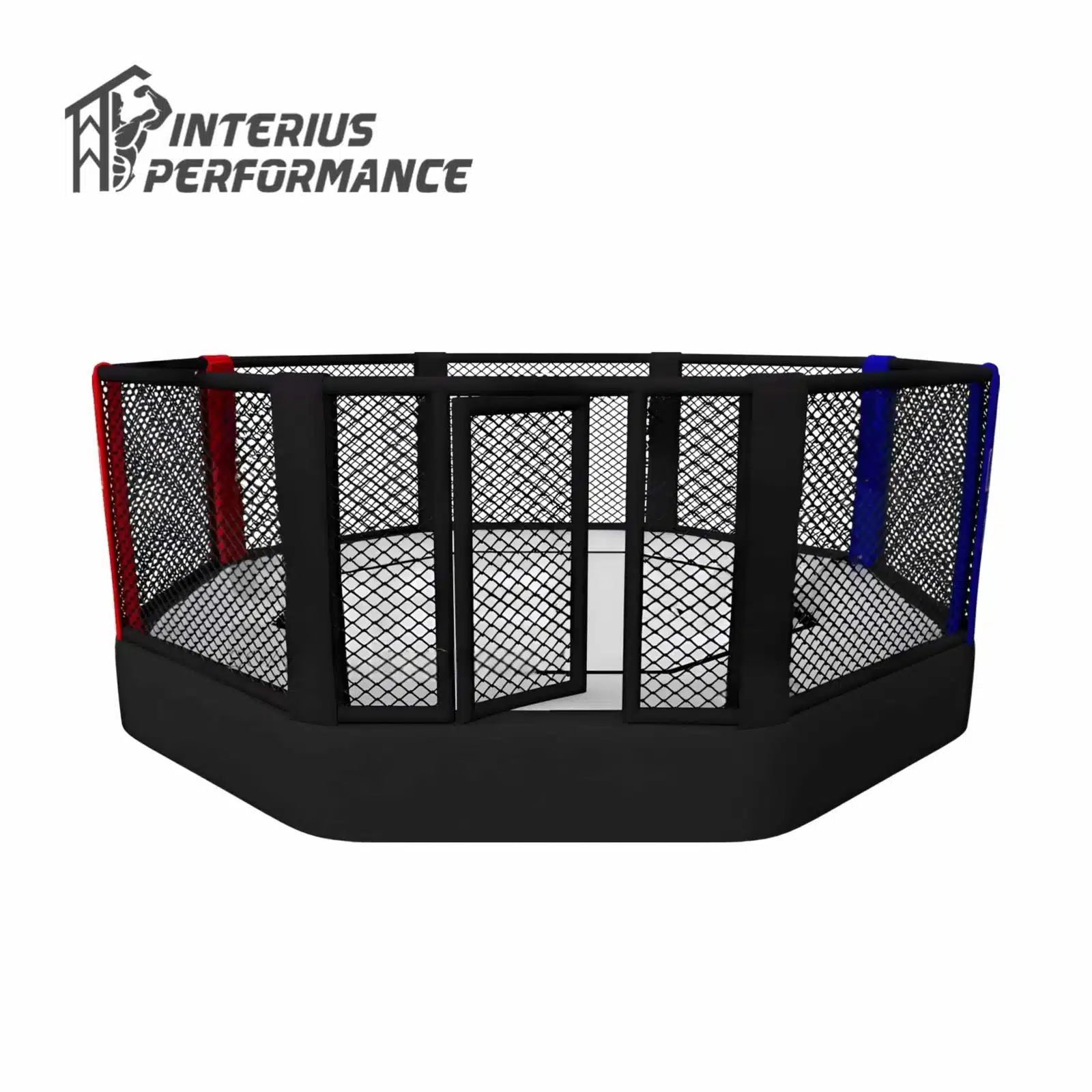
- MMA cages
- Combat sports flooring
- Specialised training structures
Supporting Infrastructure
- Rubber gym flooring
- Equipment storage solutions
- Mirrors, where appropriate
- Accessory storage
- Signage and user instructions
The final equipment schedule should include the item description, model or specification, quantity, dimensions, relevant technical requirements, unit price, total price, and supplier details.
3. Verify Equipment Dimensions and Space Requirements
One of the most common procurement challenges is selecting equipment that does not fit the planned space or interferes with movement around other stations.
Before approving an equipment order, obtain the manufacturer’s dimensional information and review it against the latest architectural or interior layout.
Check the following:
- Equipment length, width, and height
- Operating and access clearances
- Ceiling height and overhead obstructions
- Distance between adjacent equipment stations
- Doorway and corridor dimensions for delivery
- Access routes for assembly and installation
- Storage space for weights and accessories
- Maintenance access around equipment
Remember that an equipment footprint is not the same as its total operating area. Users need sufficient room to enter, exit, adjust, and exercise safely.
For example, a CrossFit rig may accommodate multiple training stations, but its final configuration must account for attachment positions, exercise movements, user circulation, and the installation method.
Procurement tip: Request dimensioned product drawings before finalising the gym layout or releasing the purchase order.
4. Review Structural and Technical Requirements
Certain gym equipment requires additional technical coordination before procurement.
Heavy strength equipment, loaded racks, lifting platforms, and specialised training structures may introduce significant concentrated or dynamic loads. Structural suitability should be evaluated by qualified professionals using the proposed equipment specifications and intended usage.
For wall-mounted rigs and other fixed structures, confirm that the supporting wall or structure is suitable for the proposed installation. The anchoring system, substrate, fixing method, and installation details must be reviewed for the specific application.
Other technical considerations include:
- Floor load capacity and equipment loading
- Anchor and fixing requirements
- Electrical connections for motorised equipment
- Ventilation and air-conditioning provisions
- Lighting and visibility
- Flooring compatibility
- Noise and vibration considerations
- Access for equipment servicing
Architects and consultants should coordinate these requirements with structural engineers, MEP consultants, interior designers, and the equipment supplier before procurement approval.
5. Evaluate Equipment Quality and Specifications
Commercial fitness equipment should be selected according to the intended application, expected usage, and project requirements.
Do not compare suppliers based solely on photographs or general product descriptions. Request relevant specifications and supporting documentation before finalising the purchase.
Evaluate:
- Frame construction and material specifications
- Dimensions and load ratings
- Stability and intended application
- Surface finish and corrosion protection, where relevant
- Upholstery and adjustment mechanisms
- Moving components and serviceability
- Compatibility with attachments and accessories
- Available product documentation
- Warranty terms and exclusions
- Spare parts and after-sales support
For workout benches, racks, deadlift platforms, CrossFit rigs, and other strength training equipment, verify that the equipment specifications suit the planned exercises and expected loading.
Where equivalent products are being compared, document the required specifications clearly. This makes the procurement process more transparent and reduces the risk of approving equipment that does not meet the project brief.
6. Confirm Flooring and Installation Provisions
Gym flooring should be selected according to the equipment, activities, building conditions, and expected impact.
Rubber flooring is commonly used in strength training areas, while other zones may require different surface characteristics. Flooring thickness and construction should be specified according to the application rather than selected solely on appearance.
Before approving the flooring and installation scope, confirm:
- Floor finish and substrate condition
- Required surface preparation
- Flooring material and thickness
- Equipment compatibility
- Load and impact considerations
- Cleaning and maintenance requirements
- Installation sequence
- Floor protection during construction
The procurement team should also clarify whether flooring, anchoring, assembly, levelling, and installation are included in the supplier’s quotation or need to be handled separately.
Clearly defined responsibilities help avoid scope gaps between the equipment supplier and the main contractor.
7. Compare Supplier Quotations on a Like-for-Like Basis
Comparing quotations only by their final price can create problems when suppliers offer different specifications or include different services.
Prepare a standard comparison sheet so that each supplier responds to the same requirements.
Evaluate the following:
- Equipment model and specifications
- Quantity and unit price
- Taxes and applicable charges
- Delivery and transportation costs
- Installation and assembly charges
- Flooring and accessories
- Warranty coverage
- Service and spare parts availability
- Payment milestones
- Delivery lead time
- Quotation validity
- Exclusions and additional charges
A lower initial price may not represent the best overall value if the quotation excludes installation, required accessories, or essential technical support.
Use a documented evaluation process to compare the complete scope of supply, quality requirements, delivery commitments, and ongoing support.
8. Check Manufacturer and Supplier Capabilities
The supplier’s ability to deliver the required equipment and coordinate the project is an important part of procurement.
Architects and project consultants should evaluate suppliers based on their product range, technical responsiveness, manufacturing or sourcing capabilities, and ability to meet the project’s delivery requirements.
Before approval, consider:
- Relevant commercial fitness project experience
- Product catalogue and technical documentation
- Customisation capabilities, where required
- Manufacturing or sourcing lead times
- Quality inspection procedures
- Delivery and installation arrangements
- Warranty and service processes
- References or examples of comparable projects
For projects involving customised CrossFit rigs, strength training structures, boxing rings, MMA cages, or other specialised equipment, discuss the design requirements and approval process before production begins.
Where a supplier provides project references, verify that the examples are relevant to the type and scale of your project.
9. Plan Procurement Timelines and Project Coordination
Gym equipment procurement should be integrated into the overall construction and interior fit-out schedule.
Late equipment selection can affect electrical work, flooring installation, structural provisions, access planning, and the handover date.
Develop a procurement schedule that identifies the following milestones:
- Project brief and equipment requirements
- Site measurements and layout coordination
- Equipment specifications and supplier quotations
- Technical review and approval
- Purchase order release
- Production or sourcing
- Site readiness confirmation
- Delivery and installation
- Inspection and snag resolution
- Handover and documentation
Customised or made-to-order equipment may require additional design approval and production time. Confirm lead times with the supplier instead of assuming that all products will be available for immediate delivery.
Maintain regular communication between the client, architect, consultant, contractor, and equipment supplier to address changes before they affect the installation schedule.
10. Confirm Delivery, Installation, and Handover Requirements
Procurement is not complete when the equipment arrives at the site. The installation and handover process should be defined before the purchase order is issued.
Confirm the following with the supplier and project team:
- Delivery location and unloading arrangements
- Site access and installation clearances
- Lift, staircase, and corridor restrictions
- Installation responsibilities
- Assembly and anchoring requirements
- Site preparation and flooring completion
- Equipment inspection and testing
- Snagging and corrective work
- Warranty documents and operating manuals
- Maintenance instructions and handover records
The site should be ready for safe delivery and installation before dispatch is scheduled.
After installation, inspect the equipment against the approved specifications and purchase order. Record any missing accessories, visible damage, incomplete assembly, or other issues requiring resolution.
For fixed or specialised equipment, ensure that the relevant installation checks and technical approvals are completed before the facility is opened for use.
11. Review Warranty, Maintenance, and Lifecycle Costs
Commercial fitness equipment is a long-term operational investment. Procurement decisions should account for the cost and effort required to maintain equipment throughout its service life.
Ask suppliers to clarify:
- Warranty duration and coverage
- Components excluded from warranty
- Preventive maintenance requirements
- Service response arrangements
- Spare parts availability
- Repair and replacement procedures
- Recommended inspection frequency
- Availability of technical support
Compare the total expected ownership cost rather than looking only at the initial purchase price.
A well-documented maintenance plan can help facility operators manage equipment condition, minimise avoidable downtime, and plan future replacements.
12. Use a Final Gym Equipment Procurement Checklist
Before issuing the final purchase order, review the following checklist with the project team.
Project Requirements
- Facility type and intended users confirmed
- Gym area and target capacity established
- Equipment categories and quantities approved
- Budget and procurement timeline confirmed
Technical Review
- Equipment specifications approved
- Dimensions checked against the latest layout
- Operating and access clearances reviewed
- Structural and anchoring requirements assessed
- Electrical and ventilation requirements coordinated
- Flooring and substrate requirements confirmed
Commercial Review
- Supplier quotations compared consistently
- Taxes, transportation, and installation charges reviewed
- Accessories and storage requirements included
- Warranty and maintenance terms reviewed
- Payment terms and delivery milestones approved
- Exclusions and additional charges documented
Delivery and Handover
- Production or sourcing lead time confirmed
- Site readiness and access verified
- Delivery and installation responsibilities assigned
- Inspection and snagging process agreed
- Manuals, warranty documents, and handover records included
Completing this checklist before procurement approval can help identify missing information early and improve coordination between all project stakeholders.
Common Gym Equipment Procurement Mistakes to Avoid
Even well-planned projects can encounter problems when important procurement details are overlooked.
Ordering before finalising the layout: This can result in unsuitable equipment dimensions, restricted access, and expensive changes.
Ignoring structural requirements: Heavy or fixed equipment may require technical assessment before installation.
Comparing prices without checking specifications: Different products and service inclusions can make quotations difficult to compare accurately.
Leaving installation responsibilities unclear: Unspecified responsibilities can lead to additional costs and project delays.
Underestimating lead times: Customised equipment and imported products may require longer procurement periods.
Overlooking after-sales support: Warranty coverage, maintenance requirements, and spare parts availability should be reviewed before approval.
Failing to document approvals: Changes to specifications, layouts, quantities, and delivery commitments should be recorded and communicated to the relevant stakeholders.
Conclusion
Effective gym equipment procurement depends on accurate specifications, coordinated planning, transparent supplier comparisons, and clear delivery requirements.
For architects, interior designers, and project consultants, a structured procurement process helps align equipment selection with the architectural layout, technical requirements, project budget, and installation schedule.
By checking dimensions, structural considerations, equipment quality, commercial terms, and handover requirements before placing an order, project teams can reduce avoidable issues and deliver a more functional fitness facility.
Planning a Commercial Fitness Project?
Interius Performance provides commercial gym equipment and customised fitness solutions for gyms, hotels, resorts, residential societies, corporate fitness centers, and specialised training facilities across India.
Our product range includes CrossFit rigs and attachments, strength training equipment, workout benches, deadlift platforms, gym storage solutions, boxing rings, MMA cages, combat sports flooring, and customised training infrastructure.
Whether you are specifying equipment for a new development or upgrading an existing facility, early coordination can help align product selection with your project’s layout and requirements.
Visit https://interiusperformance.com to explore our equipment range and discuss your project requirements with Interius Performance.
Interius Performance | Engineered for Performance. Built for Strength.