
Mixed Martial Arts (MMA) is no longer a niche sport in India. Over the last decade, combat sports have evolved from a small community of fighters into a growing fitness industry that attracts athletes, working professionals, students, and fitness enthusiasts. As organizations such as UFC, ONE Championship, and Matrix Fight Night continue to gain popularity, the demand for professional MMA training facilities is increasing across the country.
This growth has created a significant business opportunity for fitness entrepreneurs, gym owners, martial arts coaches, and investors who are considering opening an MMA gym or academy.
One question consistently arises:
Is an MMA gym business profitable in India?
The short answer is yes. However, profitability depends on several factors including location, facility size, equipment quality, coaching expertise, membership pricing, and business strategy.
In this comprehensive guide, we will analyze MMA gym setup costs, state-wise opportunities, revenue potential, membership trends, and return on investment (ROI) to help you understand whether opening an MMA gym is a viable business opportunity in India.
Why MMA Is Growing Rapidly in India
The Indian fitness industry has witnessed a major shift over the last few years. Traditional gym workouts remain popular, but many fitness enthusiasts are now looking for more engaging and skill-based training methods.
MMA combines:
- Strength training
- Cardiovascular conditioning
- Self-defense techniques
- Athletic performance development
- Mental discipline
- Competitive sports training
This combination makes MMA attractive to a wider audience compared to conventional gym memberships.
The increasing visibility of professional fighters, social media content, fitness influencers, and combat sports events has further accelerated demand.
Can MMA Be a Full-Time Business?
Absolutely. Many successful MMA academies operate as highly profitable full-time businesses.
Unlike traditional gyms that often compete on pricing, MMA academies can offer specialized coaching and premium training programs.
A modern MMA facility can generate revenue through:
- Monthly memberships
- Personal training sessions
- Fight camps
- Kids martial arts programs
- Women’s self-defense classes
- Corporate fitness workshops
- Competition preparation programs
- Merchandise sales
This diversified revenue model significantly improves profitability.
How Much Does It Cost to Start an MMA Gym in India?
The investment required depends on your city, facility size, and business model.
| Facility Type | Investment Range |
|---|---|
| Small MMA Academy | ₹5–10 Lakhs |
| Mid-Size MMA Gym | ₹10–25 Lakhs |
| Professional MMA Facility | ₹25 Lakhs – ₹1 Crore+ |
Many successful MMA gyms begin with a moderate investment and expand gradually as membership numbers increase.
Essential Equipment Required for an MMA Gym
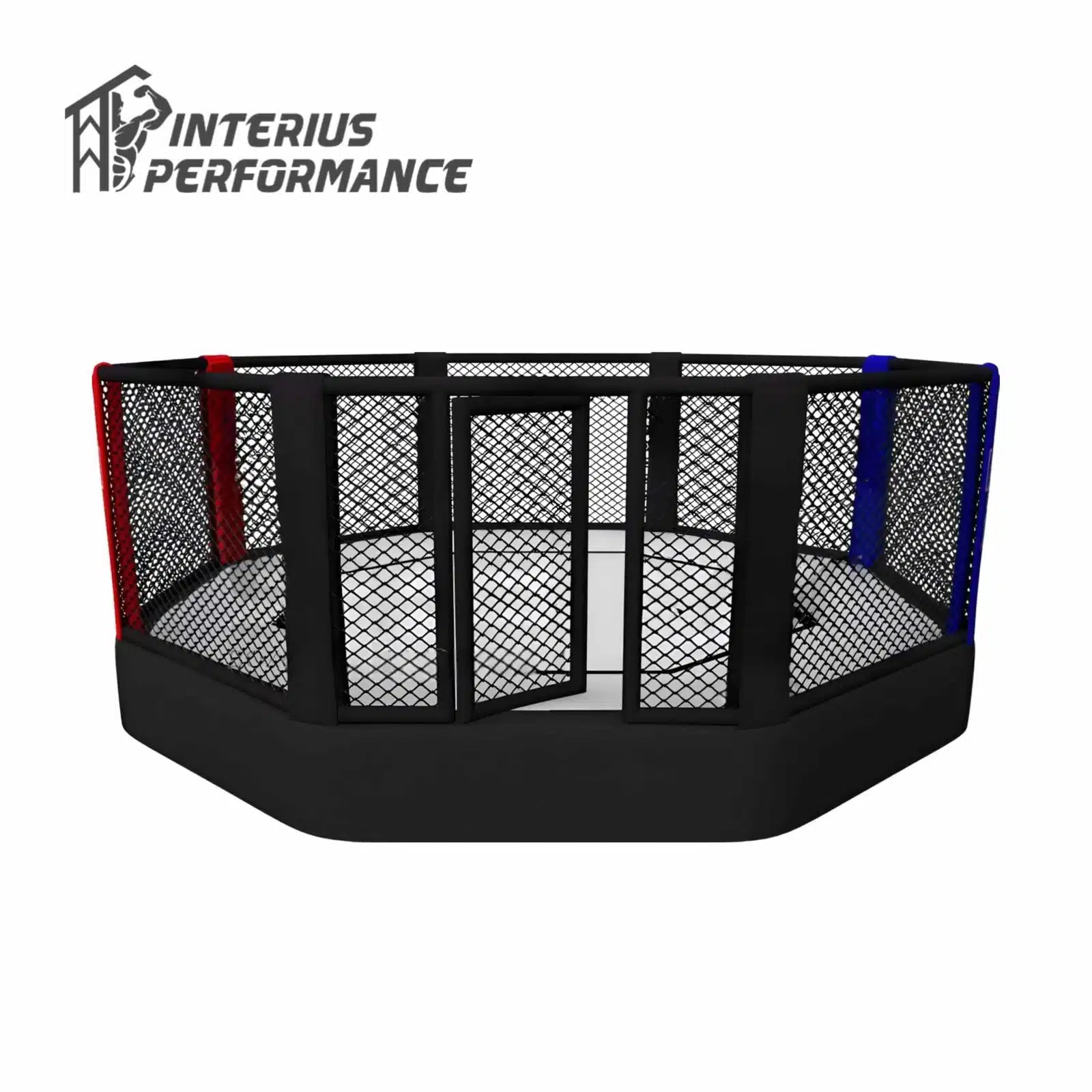
MMA Cage
The MMA cage is the centerpiece of every professional training facility.
It allows fighters to practice realistic fight scenarios, cage control techniques, sparring sessions, and competition preparation.
Explore Professional MMA Cages
Interlocking Mats
Safety is critical in combat sports.
Interlocking mats provide cushioning for grappling, wrestling, takedowns, and ground training.
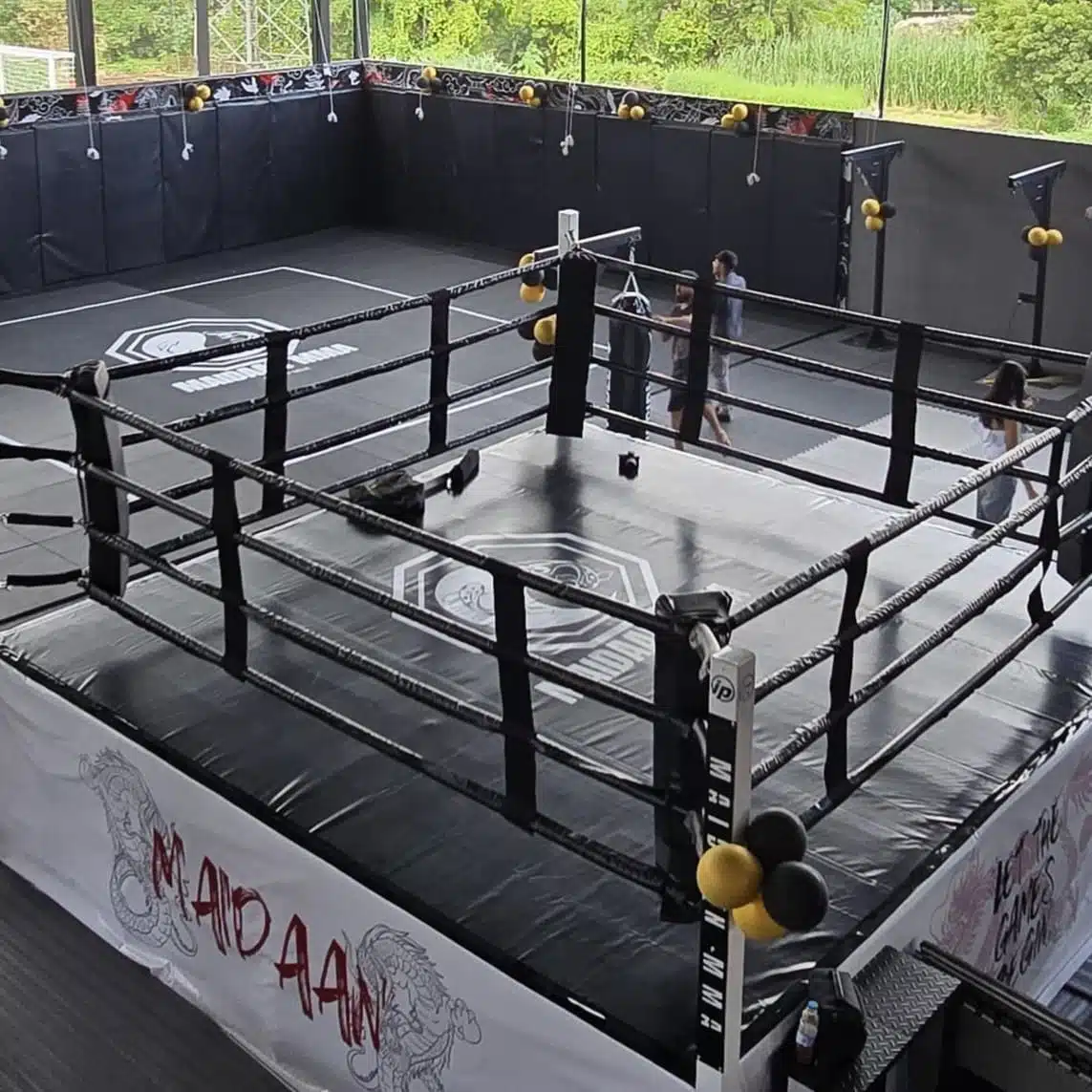
Boxing Ring
Many MMA academies offer boxing classes alongside MMA training.
Boxing rings are valuable for sparring, footwork development, and technical training.
Strength & Conditioning Equipment
Modern fighters require more than technical skills.
Strength, endurance, power, and conditioning are essential components of MMA training.
Explore Functional Training Equipment
State-Wise MMA Gym Business Potential in India
Maharashtra – The Strongest MMA Market
Maharashtra remains one of the most attractive states for MMA gym businesses due to its large population, growing fitness culture, and strong purchasing power.
Top Cities:
- Mumbai
- Pune
- Nagpur
- Nashik
- Thane
Average Membership Fee:
₹3,000–₹10,000 per month
Business Potential:
Excellent ⭐⭐⭐⭐⭐
Delhi NCR
Delhi, Gurugram, and Noida continue to attract premium fitness customers who are willing to pay for specialized combat sports training.
Average Membership Fee:
₹3,500–₹12,000 per month
Business Potential:
Excellent ⭐⭐⭐⭐⭐
Karnataka
Bengaluru has one of the most developed fitness ecosystems in India.
Its technology workforce and premium fitness market make it an ideal city for MMA businesses.
Business Potential:
Excellent ⭐⭐⭐⭐⭐
Telangana
Hyderabad continues to emerge as one of India’s fastest-growing fitness markets.
Competition remains lower than Mumbai and Delhi while demand continues to rise.
Business Potential:
Very Good ⭐⭐⭐⭐
Tamil Nadu
Chennai and Coimbatore are seeing increasing interest in combat sports and self-defense training.
Business Potential:
Very Good ⭐⭐⭐⭐
Kerala
Kerala’s strong sports culture and growing awareness of fitness make it a promising market for MMA academies.
Business Potential:
Very Good ⭐⭐⭐⭐
Gujarat
Gujarat has experienced rapid growth in fitness infrastructure over the last decade. Cities such as Ahmedabad, Surat, Vadodara, and Rajkot are witnessing increasing demand for combat sports, self-defense programs, and functional fitness training.
Average Membership Fee:
₹2,500–₹8,000 per month
Business Potential:
Very Good ⭐⭐⭐⭐
Punjab
Punjab has a strong sports culture and a growing interest in strength training and combat sports. MMA academies can perform particularly well in Chandigarh, Ludhiana, Jalandhar, and Amritsar.
Average Membership Fee:
₹2,500–₹7,000 per month
Business Potential:
Very Good ⭐⭐⭐⭐
Uttar Pradesh
As India’s most populous state, Uttar Pradesh offers significant growth opportunities. While awareness of MMA is still developing in many areas, cities such as Noida, Lucknow, Ghaziabad, and Kanpur are showing increasing demand.
Average Membership Fee:
₹2,000–₹6,000 per month
Business Potential:
Good ⭐⭐⭐⭐
Rajasthan
Jaipur, Udaipur, Jodhpur, and Kota are emerging fitness markets where MMA gyms can establish themselves with relatively lower competition.
Average Membership Fee:
₹2,000–₹6,000 per month
Business Potential:
Good ⭐⭐⭐⭐
West Bengal
Kolkata remains one of India’s largest metropolitan areas with increasing interest in combat sports and self-defense training.
Average Membership Fee:
₹2,500–₹7,000 per month
Business Potential:
Good ⭐⭐⭐⭐
Madhya Pradesh
Indore and Bhopal have become important fitness hubs with growing demand for premium training experiences.
Average Membership Fee:
₹2,000–₹6,000 per month
Business Potential:
Good ⭐⭐⭐⭐
Top 10 Cities for MMA Gym Business in India
| Rank | City | Business Potential |
|---|---|---|
| 1 | Mumbai | ⭐⭐⭐⭐⭐ |
| 2 | Pune | ⭐⭐⭐⭐⭐ |
| 3 | Bengaluru | ⭐⭐⭐⭐⭐ |
| 4 | Delhi | ⭐⭐⭐⭐⭐ |
| 5 | Gurugram | ⭐⭐⭐⭐⭐ |
| 6 | Hyderabad | ⭐⭐⭐⭐ |
| 7 | Chennai | ⭐⭐⭐⭐ |
| 8 | Ahmedabad | ⭐⭐⭐⭐ |
| 9 | Kochi | ⭐⭐⭐⭐ |
| 10 | Chandigarh | ⭐⭐⭐⭐ |
Pune vs Mumbai – Which City Is Better for an MMA Gym?
This is one of the most common questions among fitness entrepreneurs in Maharashtra.
| Factor | Pune | Mumbai |
|---|---|---|
| Rent | Lower | Higher |
| Competition | Moderate | High |
| Student Population | Very High | Medium |
| IT Professionals | Very High | High |
| Profit Potential | Excellent | Excellent |
Pune often provides a better balance of operating costs and membership potential, making it one of the most attractive locations for first-time MMA gym owners.
Average MMA Membership Fees Across India
| City Category | Monthly Membership |
|---|---|
| Tier 1 Cities | ₹3,000–₹12,000 |
| Tier 2 Cities | ₹2,000–₹8,000 |
| Tier 3 Cities | ₹1,500–₹5,000 |
How Much Revenue Can an MMA Gym Generate?
Scenario 1: 50 Members
Average Membership: ₹3,000
Monthly Revenue:
₹1,50,000
Scenario 2: 100 Members
Average Membership: ₹3,500
Monthly Revenue:
₹3,50,000
Scenario 3: 200 Members
Average Membership: ₹4,000
Monthly Revenue:
₹8,00,000
Scenario 4: 300 Members
Average Membership: ₹4,500
Monthly Revenue:
₹13,50,000
Additional Revenue Streams
Personal Training
Many academies charge premium fees for one-on-one coaching.
Kids MMA Programs
Parents increasingly seek structured martial arts training for children.
Women’s Self-Defense Classes
This segment continues to grow across urban India.
Fight Camps
Professional fighters often require specialized preparation programs.
Merchandise Sales
- T-shirts
- Gloves
- Training gear
- Supplements
Corporate Workshops
Many companies organize self-defense and fitness workshops for employees.
MMA Gym ROI Example
Initial Investment: ₹15 Lakhs
Monthly Expenses: ₹1,50,000
Monthly Revenue: ₹4,00,000
Monthly Profit: ₹2,50,000
Estimated Break-Even Period:
6–18 Months
This varies depending on occupancy levels, marketing effectiveness, and operating costs.
MMA Gym vs Traditional Gym Business
| Factor | MMA Gym | Traditional Gym |
|---|---|---|
| Member Retention | High | Moderate |
| Premium Pricing | High | Moderate |
| Competition | Lower | Higher |
| Community Building | Strong | Moderate |
Why Choose Interius Performance?
Interius Performance provides complete combat sports infrastructure for MMA academies, boxing clubs, and commercial fitness facilities.
- MMA Cages
- Boxing Rings
- Interlocking Mats
- CrossFit Rigs
- Functional Training Equipment
- Commercial Gym Solutions
Explore Functional Training Equipment
Common Mistakes MMA Gym Owners Make
While the MMA industry offers significant growth potential, many gym owners struggle because of avoidable mistakes during the setup and growth stages.
1. Choosing the Wrong Location
A premium facility in a poor location can struggle to attract members. MMA gyms perform best in areas with:
- High population density
- College students
- Working professionals
- Fitness-conscious communities
- Good accessibility and parking
2. Investing Too Little in Equipment
Many entrepreneurs attempt to reduce startup costs by purchasing low-quality equipment.
This often results in:
- Frequent repairs
- Poor member experience
- Safety concerns
- Negative reviews
Professional-grade MMA cages, interlocking mats, boxing rings, and conditioning equipment should be viewed as long-term investments.
3. Ignoring Strength & Conditioning
Modern MMA training goes beyond fighting techniques.
Successful academies combine:
- MMA training
- Boxing
- Wrestling
- Brazilian Jiu-Jitsu
- Functional fitness
- Strength training
This creates multiple revenue opportunities while improving member retention.
4. Poor Marketing Strategy
Many MMA gyms rely entirely on word-of-mouth marketing.
Successful academies use:
- Instagram marketing
- YouTube content
- Google Business Profile
- Local SEO
- Meta advertising
- Referral programs
5. Focusing Only on Professional Fighters
Professional fighters represent a small portion of the market.
The largest customer segments include:
- Fitness enthusiasts
- Weight-loss clients
- Self-defense learners
- Students
- Working professionals
- Children
Future of MMA Business in India
The future of MMA in India appears extremely promising.
Several factors are expected to drive growth:
- Increased awareness of combat sports
- Growing popularity of UFC
- Expansion of Indian MMA promotions
- Rising demand for self-defense training
- Growth of functional fitness programs
- Social media influence
Industry experts believe that MMA training will become increasingly mainstream over the next decade.
As awareness grows, more entrepreneurs are expected to invest in combat sports facilities and MMA academies.
How Many Members Does an MMA Gym Need to Be Profitable?
The exact number depends on rent, staff salaries, equipment investment, and operational expenses.
| Members | Business Status |
|---|---|
| 50+ | Break-even possible |
| 100+ | Stable business |
| 150+ | Highly profitable |
| 250+ | Premium facility level |
| 400+ | Large-scale academy |
Most successful MMA academies aim for at least 100 active members during their first year.
MMA Gym Business Plan Example
Facility Size
1500–2500 sq ft
Core Training Areas
- MMA Cage Zone
- Boxing Training Area
- Strength & Conditioning Zone
- Functional Fitness Area
- Recovery & Mobility Space
Target Audience
- College students
- Working professionals
- Fitness enthusiasts
- Competitive fighters
- Women seeking self-defense training
Revenue Sources
- Memberships
- Personal Training
- Kids Programs
- Fight Camps
- Merchandise
- Events & Workshops
Complete MMA Gym Setup Checklist
Combat Training Equipment
- MMA Cage
- Heavy Bags
- Speed Bags
- Thai Pads
- Focus Mitts
- Kick Shields
Flooring
- Interlocking Mats
- Wall Padding
- Safety Padding
Strength Equipment
- Barbells
- Bumper Plates
- Dumbbells
- Squat Racks
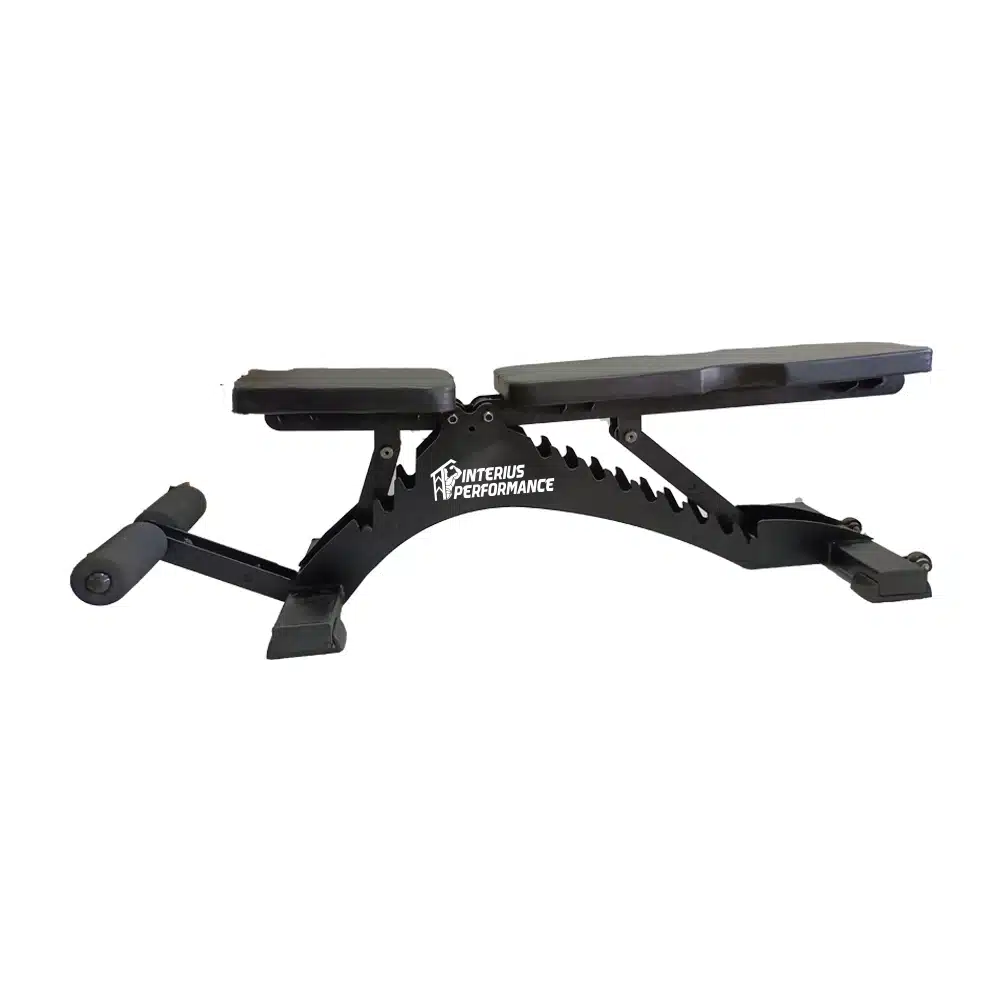
- Benches
Conditioning Equipment
- Battle Ropes
- Kettlebells
- Assault Bikes
- Rowing Machines
- Sleds
Final Verdict: Is MMA Gym Business Profitable in India?
Yes, the MMA gym business can be highly profitable when executed correctly.
Compared to traditional gyms, MMA academies often benefit from:
- Higher member retention
- Premium pricing opportunities
- Strong community engagement
- Multiple revenue streams
- Lower competition
States such as Maharashtra, Karnataka, Delhi NCR, Telangana, Tamil Nadu, and Kerala currently offer some of the strongest opportunities for MMA gym businesses.
For entrepreneurs willing to invest in quality infrastructure, professional coaching, and effective marketing, an MMA gym can become a sustainable and scalable business.
Start Your MMA Gym with Interius Performance
Whether you’re opening a small MMA academy or a professional combat sports facility, Interius Performance provides the infrastructure you need.
- Professional MMA Cages
- Commercial Boxing Rings
- Interlocking Mats
- CrossFit Rigs
- Functional Training Equipment
- Complete Gym Setup Solutions
Build a professional MMA training facility designed for growth, performance, and profitability.
Frequently Asked Questions
Is MMA gym business profitable in India?
Yes. MMA gyms can be highly profitable due to growing demand for combat sports, self-defense training, and functional fitness programs. Many successful academies generate revenue through memberships, personal training, fight camps, and specialized classes.
How much does it cost to start an MMA gym in India?
The investment typically ranges from ₹5 lakhs for a small academy to ₹25 lakhs or more for a professional MMA training facility, depending on location, equipment, and facility size.
Which state is best for opening an MMA gym in India?
Maharashtra, Karnataka, Delhi NCR, Telangana, Tamil Nadu, and Kerala currently offer some of the strongest opportunities due to increasing fitness awareness and demand for combat sports.
Which city is best for starting an MMA gym in India?
Mumbai, Pune, Bengaluru, Delhi, Gurugram, Hyderabad, Chennai, Kochi, and Ahmedabad are among the most promising cities for MMA gym businesses.
Is Pune a good city for an MMA gym business?
Yes. Pune has a large student population, IT professionals, growing fitness awareness, and lower operating costs than Mumbai, making it one of the best cities for MMA academies.
How much can an MMA gym owner earn in India?
Income depends on location, membership count, and services offered. Established MMA gym owners can generate monthly revenues ranging from ₹2 lakhs to ₹15 lakhs or more.
How many members does an MMA gym need to be profitable?
Most MMA gyms can achieve break-even with around 50–100 active members. Facilities with 150–250 members generally achieve strong profitability.
What equipment is required for an MMA gym?
An MMA gym typically requires an MMA cage, interlocking mats, boxing equipment, punching bags, strength training equipment, and functional fitness infrastructure.
Do I need an MMA cage to start an MMA gym?
While not mandatory for a small academy, a professional MMA cage significantly improves training quality, sparring sessions, and competition preparation.
Can an MMA gym be started under ₹10 lakhs?
Yes. A small MMA academy can be started within a budget of ₹5–10 lakhs using basic training equipment, mats, and a compact training space.
What are the monthly expenses of running an MMA gym?
Monthly expenses typically include rent, trainer salaries, utilities, marketing, maintenance, and equipment upkeep. Costs vary depending on city and facility size.
What is the average MMA membership fee in India?
MMA membership fees generally range from ₹2,000 to ₹12,000 per month depending on the city, coaching quality, and facility standards.
Is an MMA gym more profitable than a traditional gym?
MMA gyms often benefit from higher member retention, premium pricing, and multiple revenue streams, making them potentially more profitable than traditional gyms.
Can MMA gyms offer additional revenue streams?
Yes. MMA gyms can increase revenue through personal training, kids programs, women’s self-defense classes, fight camps, merchandise sales, and corporate workshops.
What is the ROI of an MMA gym in India?
Depending on investment, location, and membership growth, many MMA gyms achieve ROI within 12–24 months.
Is MMA becoming popular in India?
Yes. MMA is one of the fastest-growing fitness and combat sports segments in India, driven by UFC popularity, social media exposure, and increasing interest in self-defense training.
Can MMA gyms include CrossFit and functional fitness training?
Absolutely. Many successful MMA gyms combine MMA training with CrossFit, strength and conditioning, and functional fitness programs to attract a wider audience.
What size MMA cage is best for a training academy?
15ft x 15ft and 18ft x 18ft MMA cages are among the most popular choices for training academies because they balance space efficiency and training functionality.
What is the future of the MMA gym business in India?
The future is highly promising. Growing awareness of combat sports, increasing fitness participation, and demand for specialized training are expected to drive strong growth over the coming years.
Why are more entrepreneurs investing in MMA gyms?
MMA gyms offer lower competition than traditional gyms, premium membership opportunities, strong community engagement, and multiple revenue streams, making them an attractive fitness business model.